
How Buses Impact Pedestrian Accidents in Arizona

I'm Gil Hacohen, a Phoenix attorney and founder of Lawyers For Less. When someone is injured or facing a legal problem they did not choose, they may find themselves dealing with serious consequences, mounting expenses, lost income, and an insurance company or opposing party determined to minimize its responsibility. I believe people deserve an attorney who will take the time to understand their situation, investigate what actually happened, and challenge the other side's version of events when the evidence tells a different story. My job is to protect my clients' interests, hold responsible parties accountable, and pursue the outcome they deserve.
How Buses Affect Pedestrian Accidents in Arizona
Buses contribute to pedestrian accidents in Arizona due to their size, visibility challenges, and operation in urban settings. These factors are exacerbated in cities like Phoenix and Tucson, where pedestrian activity is high. Lawyers for Less can help navigate these complex cases.
- Key Takeaways:
- Buses present unique risks to pedestrians due to size and visibility.
- Arizona laws protect pedestrians, including right-of-way rules.
- Understanding liability is crucial for pursuing injury claims.
- Lawyers for Less offers affordable legal assistance for bus-pedestrian cases.
- Public transportation systems impact pedestrian safety.
Why Are Buses a Risk for Pedestrians in Arizona?
Buses pose a significant risk to pedestrians due to their size and limited driver visibility. These risks are heightened in busy urban areas where buses frequently operate.
Size and Visibility Issues
The large size of buses creates significant blind spots for drivers, making it difficult to see pedestrians, especially at intersections and while turning. According to the National Highway Traffic Safety Administration, larger vehicles like buses are involved in more severe pedestrian accidents.
Urban Congestion
In Arizona cities such as Phoenix and Tucson, the density of traffic and pedestrian activity increases the likelihood of accidents. Buses navigating these congested areas pose a greater risk to pedestrian safety.
Intersection Dangers
Intersections are particularly hazardous for pedestrians due to the complex maneuvers buses must perform. Pedestrians should be extra cautious when buses are making turns.
Bus Stop Proximity
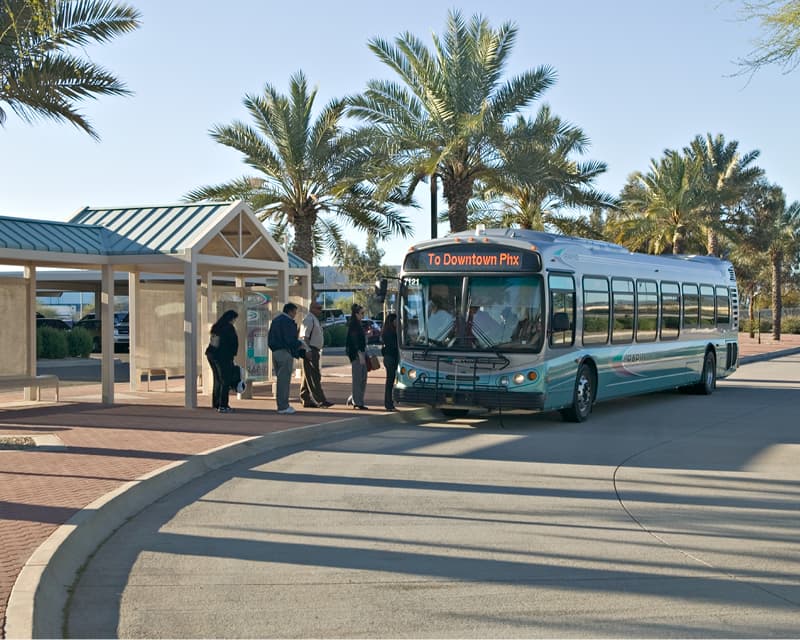
Pedestrians waiting at or near bus stops are at increased risk of accidents. Drivers may not always be aware of pedestrians stepping off a curb when buses are approaching.
Speed and Maneuverability
Buses often travel at higher speeds on thoroughfares, reducing reaction time for both drivers and pedestrians. Their limited maneuverability can make sudden stops difficult.
Understanding Liability in Bus-Pedestrian Accidents
Addressing bus-related pedestrian accidents legally involves determining liability and pursuing injury claims. In Arizona, these cases can be complex, involving multiple parties.
Determining Liability
Liability in bus accidents often involves the bus driver, the bus company, or even the municipality. Arizona Revised Statutes provide guidance on negligence and liability, requiring thorough investigations to establish fault.
Pursuing Injury Claims
Injured pedestrians can pursue claims for medical expenses, lost wages, and pain and suffering under Arizona law. An experienced attorney can assist in navigating these claims.
Municipal Liability
When a bus operated by a city service is involved in an accident, determining municipal liability requires understanding specific state laws and local ordinances.
Insurance Implications
Bus companies and municipalities carry insurance that covers certain liabilities. Understanding these insurance policies is crucial for effective claims management.
Arizona's Pedestrian Safety Laws
Arizona has specific laws designed to protect pedestrians, including regulations on right-of-way and crosswalk use. These laws are crucial in determining liability in accidents.
Right-of-Way Rules
Under A.R.S. § 28-792, pedestrians generally have the right of way in marked crosswalks. Vehicles, including buses, must yield to pedestrians crossing legally.
Crosswalk Regulations
Arizona law mandates that pedestrians should use crosswalks where available, providing clear guidelines for crossing streets safely.
Jaywalking Laws
Pedestrians must adhere to jaywalking laws, which prohibit crossing streets outside of designated crosswalks in many areas, impacting liability.
Signal Compliance
Pedestrians are required to comply with traffic signals, and failure to do so can affect their legal standing in an accident claim.
School Zone Safety
Special laws protect pedestrians, especially children, in school zones, requiring reduced speeds and heightened driver awareness.
Safety Tips for Pedestrians Around Buses
Pedestrians can enhance their safety around buses by being vigilant and following specific safety tips. Awareness of blind spots and adherence to signals are key.
Stay Visible
Wearing bright clothing and making eye contact with bus drivers can help ensure visibility, significantly reducing the risk of accidents.
Be Cautious at Intersections
Intersections are high-risk areas. Waiting for buses to complete turns before crossing can prevent potential incidents.
Use Crosswalks
Always use crosswalks where available, as they are designed to increase pedestrian visibility and safety.
Avoid Distractions
Refrain from using phones or headphones when crossing streets to remain fully aware of your surroundings.
Know Bus Schedules
Familiarize yourself with bus schedules in your area to anticipate bus movements and reduce unexpected encounters.
What to Do After a Bus-Pedestrian Accident
After a bus-pedestrian accident, taking immediate and appropriate steps is crucial for health and legal documentation.
Seek Medical Attention
Immediate care is critical for health and legal documentation. Even if injuries seem minor, a professional evaluation is essential.
Document the Scene
Take photographs, gather witness information, and note down any details about the accident for future reference.
Contact Authorities
File a police report to ensure the accident is officially recorded and to facilitate any legal proceedings.
Consult an Attorney
Legal advice is crucial for understanding your rights and pursuing claims effectively. Contacting a lawyer early can make a significant difference.
Notify Insurance Companies
Inform your insurance company about the accident as soon as possible to understand your coverage and responsibilities.
Analyzing Bus-Pedestrian Accident Statistics in Arizona
Understanding statistics can provide insight into bus-pedestrian accidents in Arizona, highlighting trends and areas of concern.
Statewide Accident Data
According to recent reports, pedestrian fatalities account for approximately 20% of all traffic-related deaths in Arizona, with buses involved in a notable percentage.
City-Specific Trends
Cities like Phoenix and Tucson report higher numbers of pedestrian accidents, correlating with increased public transportation use.
Common Accident Scenarios
Most bus-related pedestrian accidents occur at intersections and bus stops, where visibility and congestion are significant issues.
Impact of Time and Weather
Accidents are more frequent during peak transit hours and adverse weather conditions, underscoring the need for increased vigilance.
Challenges in Bus Accident Litigation
Litigating bus-pedestrian accidents presents unique challenges, requiring specialized legal expertise and knowledge of Arizona laws.
Complex Liability Issues
Determining liability can be complex due to the involvement of multiple parties, including drivers, bus companies, and municipalities.
Insurance Complications
Insurance claims related to bus accidents often involve intricate policies and require careful negotiation to ensure fair compensation.
Evidence Collection
Gathering evidence in bus-pedestrian cases can be challenging, necessitating prompt action to secure witness statements and accident reports.
Statute of Limitations
Under Arizona law, the statute of limitations for personal injury claims, including those involving buses, is two years from the date of the accident (A.R.S. § 12-542).
Comparing Public and Private Bus Services in Arizona
Understanding the differences between public and private bus services in Arizona can affect legal strategies and liability considerations.
| Factor | Public Bus Service | Private Bus Service |
|---|---|---|
| Ownership | City/State | Private Company |
| Insurance Coverage | Municipal Insurance | Private Insurance |
| Regulations | State and Local | Federal and Corporate |
| Liability | Municipal Liability | Corporate Liability |
Preventive Measures for Bus Safety in Arizona
Implementing preventive measures can significantly reduce the risk of bus-related pedestrian accidents in Arizona.
Driver Training Programs
Enhanced training for bus drivers focusing on pedestrian safety and awareness can improve overall safety.
Infrastructure Improvements
Investment in pedestrian-friendly infrastructure, such as better lighting and clearer signage at bus stops, can reduce accident rates.
Public Awareness Campaigns
Initiatives aimed at educating the public about pedestrian safety and the risks associated with buses can be effective in preventing accidents.
Technological Advancements
Adopting new technologies, such as collision detection systems in buses, can mitigate risks and enhance safety.
How Lawyers for Less Can Assist in Bus-Pedestrian Accident Cases
Lawyers for Less offers experienced legal representation for bus-pedestrian accident cases in Arizona, providing affordable services to help clients navigate complex legal processes and pursue rightful compensation.
Case Evaluation
Our team evaluates each case thoroughly to determine the facts and legal implications, ensuring a strategic approach to claims.
Determining Liability
We assist in determining liability, whether it involves the driver, bus company, or another party, using detailed investigations.
Legal Representation
Clients benefit from our comprehensive legal representation throughout all stages of the legal process, from filing claims to court representation.
Client-Centered Approach
Our focus is on alleviating the stress of legal proceedings with a client-centered approach, tailored to individual needs and circumstances.
Affordable Services
Lawyers for Less is committed to providing affordable legal services, offering flexible payment options to suit various financial situations.
The Role of Bus Infrastructure in Pedestrian Safety
Design and Layout of Bus Stops
The design and layout of bus stops significantly impact pedestrian safety. In Arizona, strategically placed bus stops can reduce accidents by ensuring that pedestrians are visible to bus drivers when crossing streets. However, poorly designed stops may lead to dangerous situations. For instance, bus stops located at mid-block locations without proper crosswalks can encourage jaywalking, increasing the risk of accidents. According to A.R.S. § 28-851, pedestrians must yield to vehicles when crossing outside of marked crosswalks, which highlights the importance of adhering to designated crossing areas.
Bus Route Planning and Its Effect on Pedestrian Traffic
Effective bus route planning is crucial for minimizing pedestrian accidents. Routes that pass through densely populated areas or near schools require careful consideration to ensure pedestrian safety. In Arizona, cities like Phoenix have implemented various strategies to enhance safety, such as adjusting bus schedules during peak pedestrian traffic times. The aim is to minimize conflicts between buses and pedestrians, especially in areas with high foot traffic. This approach aligns with A.R.S. § 28-797, which mandates reduced speed limits in school zones to protect children.
Technology Integration in Bus Infrastructure
The integration of technology into bus infrastructure can play a pivotal role in enhancing pedestrian safety. Technologies such as pedestrian detection systems, which alert drivers to nearby pedestrians, have been increasingly adopted. In cities like Tucson, initiatives to install smart crosswalks equipped with sensors and lights have been introduced to improve visibility and safety. These technological advancements not only comply with safety guidelines but also align with the objectives of A.R.S. § 28-792, which focuses on pedestrian right-of-way protections.
Legal Considerations in Bus-Pedestrian Accidents
Understanding Negligence in Bus Accidents
Negligence is a key factor in determining liability in bus-pedestrian accidents. In Arizona, proving negligence involves demonstrating that the bus driver or company failed to exercise reasonable care. For example, if a bus driver fails to yield to a pedestrian at a crosswalk, this could constitute negligence under A.R.S. § 28-792. Establishing negligence is crucial for injured parties seeking compensation for damages such as medical expenses and lost wages.
Role of Comparative Fault in Arizona
Arizona follows a comparative fault system, meaning that the liability for an accident can be shared between parties. If a pedestrian is found partially at fault for an accident, their compensation may be reduced proportionally. For instance, if a pedestrian crosses a street illegally and is struck by a bus, both parties may share responsibility. This legal framework is outlined in A.R.S. § 12-2505, which allows for damage recovery even when the claimant is partially at fault, emphasizing the importance of understanding one's legal standing in these cases.
Filing Claims Against Public Transportation Entities
When filing a claim against public transportation entities in Arizona, specific protocols must be followed. Government-operated buses, such as those managed by city transit authorities, have certain immunities and restrictions. Under A.R.S. § 12-821.01, claimants must file a notice of claim within 180 days of the incident. This statute highlights the procedural intricacies involved in pursuing claims against municipal entities, emphasizing the need for timely and accurate legal action following an accident.
Impact of Driver Training on Reducing Pedestrian Accidents
Importance of Comprehensive Driver Training Programs
Driver training is a critical component in reducing pedestrian accidents involving buses. Comprehensive training programs in Arizona focus on improving drivers' awareness of pedestrian risks and enhancing their ability to navigate complex urban environments. These programs often include modules on defensive driving techniques and situational awareness, tailored to address the unique challenges faced by bus drivers. Such initiatives comply with safety regulations and contribute to reducing incidents, aligning with the preventive goals outlined in various Arizona statutes.
Continuous Education and Evaluation of Bus Drivers
Continuous education and evaluation of bus drivers are essential for maintaining high safety standards. In Arizona, transit authorities implement regular assessments to ensure drivers adhere to best practices and remain informed about new safety protocols. These evaluations help identify areas for improvement and reinforce the drivers' commitment to pedestrian safety. The ongoing education process ensures compliance with A.R.S. § 28-930, which mandates adherence to traffic regulations and promotes safety in public transportation.
Scenario: Enhanced Training Leading to Reduced Accidents
Consider a scenario where a Phoenix-based transit company invests in advanced simulation training for its drivers. This training includes virtual reality scenarios that replicate busy intersections and pedestrian-heavy zones. As a result, the company observes a 20% reduction in pedestrian-related incidents over a year. This example illustrates the positive impact of investing in driver training and the potential for such programs to enhance overall pedestrian safety across Arizona.
Pedestrian Education and Awareness Campaigns
Statewide Initiatives to Promote Pedestrian Safety
Arizona has launched several statewide initiatives aimed at promoting pedestrian safety and reducing accidents involving buses. These campaigns focus on educating pedestrians about safe crossing practices, the importance of using crosswalks, and understanding bus signals. By increasing awareness, these initiatives aim to reduce risky behaviors and enhance safety. A prominent example is the "Walk Smart Arizona" campaign, which partners with local schools and community organizations to spread safety messages. These efforts support the objectives of A.R.S. § 28-793, which emphasizes pedestrian responsibilities in traffic interactions.
Engaging School Communities in Safety Education
Engaging school communities in safety education is vital for protecting young pedestrians. Arizona has implemented programs that involve students, parents, and teachers in learning about traffic safety and pedestrian rights. Activities such as safety workshops and interactive presentations are conducted in schools across the state to instill safe habits early on. By fostering a culture of safety awareness, these programs aim to reduce incidents involving school-aged pedestrians, in line with the protective measures outlined in A.R.S. § 28-797.
Example: Community-Led Safety Workshops
In Tucson, a community organization collaborates with local transit authorities to hold monthly safety workshops. These sessions educate residents about pedestrian laws, the dangers of distracted walking, and safe interactions with buses. The workshops have received positive feedback, leading to increased community involvement and a noticeable decline in accidents in areas where participants reside. This example underscores the effectiveness of community engagement in promoting pedestrian safety and complements the legal framework established by Arizona statutes.
Comparative Analysis of Bus-Pedestrian Interaction Scenarios
| Scenario | Risk Level | Mitigation Strategies |
|---|---|---|
| Bus Stop Near Intersection | High | Install clear signage and pedestrian signals; relocate bus stop if necessary |
| Mid-Block Bus Stop | Medium | Add crosswalks and pedestrian islands to guide safe crossing |
| Bus Route Through School Zone | High | Reduce speed limits, enhance driver training, and increase crossing guards |
- Identify high-risk areas where bus-pedestrian interactions frequently occur.
- Conduct risk assessments to determine the specific factors contributing to accidents.
- Implement targeted safety measures, such as improved signage and driver training.
- Evaluate the effectiveness of interventions and adjust strategies as needed.
- Engage the community and stakeholders to promote ongoing pedestrian safety awareness.
Impact of Road Design on Bus-Pedestrian Accidents
Urban Planning and Pedestrian Safety
Urban planning plays a crucial role in pedestrian safety, particularly in areas with high bus traffic. The layout of streets, the placement of bus stops, and the inclusion of pedestrian crossings can significantly influence accident rates. In Arizona, cities like Phoenix have been working to redesign roads to enhance pedestrian safety by incorporating more pedestrian-friendly features. Arizona Revised Statutes (A.R.S.) § 9-461.05 mandates cities to include safety considerations in their urban planning, which directly impacts how effectively pedestrians can navigate streets shared with buses.
For instance, in downtown Phoenix, the introduction of pedestrian-only zones has reduced the number of pedestrian accidents. These areas restrict bus access during peak pedestrian hours, providing a safer environment for foot traffic. Such measures showcase how thoughtful urban planning can mitigate risks associated with buses and improve overall pedestrian safety.
Bus Stop Design and Accessibility
The design and location of bus stops are critical factors influencing pedestrian safety. Properly designed bus stops minimize the distance pedestrians must travel to cross streets, reducing their exposure to traffic. A.R.S. § 28-901 emphasizes the need for accessible public transportation infrastructure, ensuring that bus stops are safe and convenient for all users, including those with disabilities.
In Tucson, initiatives to relocate bus stops to the far side of intersections have been implemented, allowing pedestrians to cross safely behind stopped buses. This reduces the likelihood of pedestrians stepping into oncoming traffic when a bus is stopped, thereby decreasing accident rates.
Pedestrian Infrastructure Enhancements
Enhancements to pedestrian infrastructure, such as improved lighting and clearer signage, can significantly reduce bus-pedestrian accidents. In Arizona, efforts to improve crosswalk visibility and add pedestrian countdown signals have been pivotal. A.R.S. § 28-793 requires proper signage for pedestrian crossings, which helps alert both drivers and pedestrians to potential hazards.
A concrete example is the installation of illuminated crosswalks in Tempe, which has resulted in a noticeable decline in pedestrian accidents involving buses. This infrastructure not only enhances visibility at night but also provides clear demarcation of pedestrian zones, encouraging safer crossings.
The Role of Technology in Reducing Bus-Pedestrian Accidents
Advanced Driver Assistance Systems (ADAS)
Advanced Driver Assistance Systems (ADAS) are increasingly being used to enhance bus safety. These systems include features like collision avoidance, automatic braking, and pedestrian detection, which can significantly reduce the likelihood of accidents. Under A.R.S. § 28-955, vehicles, including buses, are encouraged to adopt these technologies to promote road safety.
Phoenix's Valley Metro buses have begun incorporating ADAS, leading to a reduction in pedestrian accidents. The technology assists drivers by alerting them to pedestrians in blind spots or those who may unexpectedly cross the street, thus preventing potential collisions.
Real-Time Monitoring and Analytics
Real-time monitoring and data analytics provide valuable insights into pedestrian traffic patterns and accident hotspots. This information can be used to implement targeted safety measures. A.R.S. § 28-650 emphasizes the importance of data collection in improving transportation safety.
For example, Scottsdale has implemented a pilot program using sensors to monitor pedestrian flow near bus stops. This data helps identify when and where to deploy additional safety measures, such as increased signage or dedicated crossing guards during high-traffic periods.
Public Awareness Campaigns
Technology also plays a role in educating the public. Digital campaigns aimed at increasing awareness about pedestrian safety can leverage social media and mobile apps to reach a broader audience. A.R.S. § 28-707 supports initiatives promoting traffic safety education as part of state efforts to reduce accidents.
The "Be Safe, Be Seen" campaign in Arizona utilizes digital platforms to remind pedestrians and bus drivers of safety protocols, emphasizing the importance of mutual awareness and adherence to traffic laws to prevent accidents.
Legal Recourses and Compensation in Bus-Pedestrian Accidents
Filing a Legal Claim
When involved in a bus-pedestrian accident, understanding the legal process for filing a claim is crucial. Arizona law allows injured parties to seek compensation for damages, including medical expenses and lost wages. A.R.S. § 12-542 outlines the statute of limitations for personal injury claims, which is typically two years from the date of the accident.
Consider a scenario where a pedestrian in Mesa is hit by a city bus. The pedestrian can file a claim against the bus company or the municipality, depending on the circumstances. An experienced attorney can help navigate this process, ensuring all necessary documentation is submitted within the legal timeframe.
Types of Compensation Available
Victims of bus-pedestrian accidents may be eligible for various types of compensation. These include economic damages, non-economic damages, and, in some cases, punitive damages. Each type addresses different aspects of the victim's losses and suffering.
| Type of Compensation | Description | Example |
|---|---|---|
| Economic Damages | Compensation for tangible losses such as medical bills and lost wages. | Reimbursement for hospital stays and physical therapy. |
| Non-Economic Damages | Compensation for intangible losses like pain and suffering. | Financial restitution for emotional distress following the accident. |
| Punitive Damages | Additional compensation awarded in cases of gross negligence. | Awarded if the bus company is found to have violated safety regulations. |
Steps to Take Following an Accident
- Seek Medical Attention: Immediately visit a healthcare professional to assess injuries, even if they appear minor.
- Document the Scene: Take photos and note details about the accident, including witness contact information.
- Report the Accident: Contact local authorities to file an official report of the incident.
- Consult an Attorney: Seek legal advice to understand your rights and the next steps in filing a claim.
- Notify Insurance Providers: Inform your insurance company and discuss potential coverage options.
By following these steps, victims can better protect their rights and increase their chances of receiving fair compensation for their injuries.
FAQs About Buses and Pedestrian Accidents in Arizona
- What makes buses a significant risk to pedestrians in Arizona? Buses pose a risk due to their size and blind spots, particularly in urban areas like Phoenix and Tucson where pedestrian activity is high.
- How does Arizona law protect pedestrians in bus accidents? Arizona law, under A.R.S. § 28-792, grants pedestrians the right of way in marked crosswalks, requiring vehicles to yield.
- What should I do immediately after a bus-pedestrian accident? Seek medical attention, document the scene, contact authorities, consult an attorney, and notify your insurance company.
- How long do I have to file a claim after a bus accident in Arizona? You typically have two years to file a personal injury claim under A.R.S. § 12-542.
- Can I file a claim against a public bus service? Yes, but it may involve navigating municipal liability laws and regulations.
- What documents are essential for a bus accident claim? Police reports, medical records, witness statements, and photographs of the accident scene are crucial.
- Do I need a lawyer for a bus-pedestrian accident claim? While not required, hiring an attorney can help you navigate complex liability issues and maximize compensation.
- How do public and private bus services differ in terms of liability? Public buses may involve municipal liability, while private buses involve corporate liability.
- What preventive measures can enhance bus safety for pedestrians? Driver training, infrastructure improvements, public awareness campaigns, and technological advancements are key measures.
- What role does Lawyers for Less play in bus accident cases? Lawyers for Less provides comprehensive legal representation, focusing on case evaluation, liability determination, and affordable services.
Contact Lawyers for Less PLLC for expert legal assistance with bus-pedestrian accident cases in Arizona. Schedule a consultation today by calling (602) 800-5762 or visit our contact page.

Gil Hacohen, Esq.
Founder and Principal Attorney, Lawyers For Less, PLLC
State Bar of Arizona No. 031934
Licensed in Arizona since 2015
About Our Phoenix Attorney, Gil Hacohen
Gil Hacohen is the founder and principal attorney of Lawyers For Less, PLLC, a Phoenix-based law firm representing individuals and families throughout Arizona. Licensed to practice law in Arizona since 2015, Gil handles personal injury claims involving commercial trucks, delivery vehicles, and other motor vehicle collisions, including cases involving disputed liability, significant injuries, and complex insurance claims, as well as criminal defense, family law, estate planning and business formation matters. He combines hands-on legal representation with a commitment to making quality legal services accessible to everyday people.
Why I do this work
I founded Lawyers For Less in 2015 because I believed that access to quality legal representation should not depend on someone's financial resources. I wanted to build a practice where clients could receive experienced, personalized representation without feeling lost in the legal system.
That philosophy is especially important when the other side has more resources. When someone is seriously injured, charged with a crime, or going through a divorce, they may suddenly find themselves facing an insurance carrier, a prosecutor, or a legal process they don't understand. I believe my clients deserve an attorney who listens to their concerns, carefully examines the evidence, and isn't afraid to challenge the other side's conclusions.
Quick Inquiry
Get a free consultation today
Quick Inquiry
Get a free consultation today
Related Articles
How to File a Fire Damage Injury Claim in Arizona
October 24, 2026
Understanding the Arizona Personal Injury Mediation Process
October 23, 2026
Why Hire an Accident Reconstruction Expert in Arizona?
October 22, 2026
How to Appeal a Personal Injury Claim Denial in Arizona
October 21, 2026
Understanding Arizona Comparative Fault in Bicycle Accidents
October 20, 2026
Understanding Airbnb Injury Claims in Arizona
October 19, 2026
Need help with personal injury?
Learn About Our Personal Injury Services →Related Services