
Immediate Steps After a Car Accident in Arizona
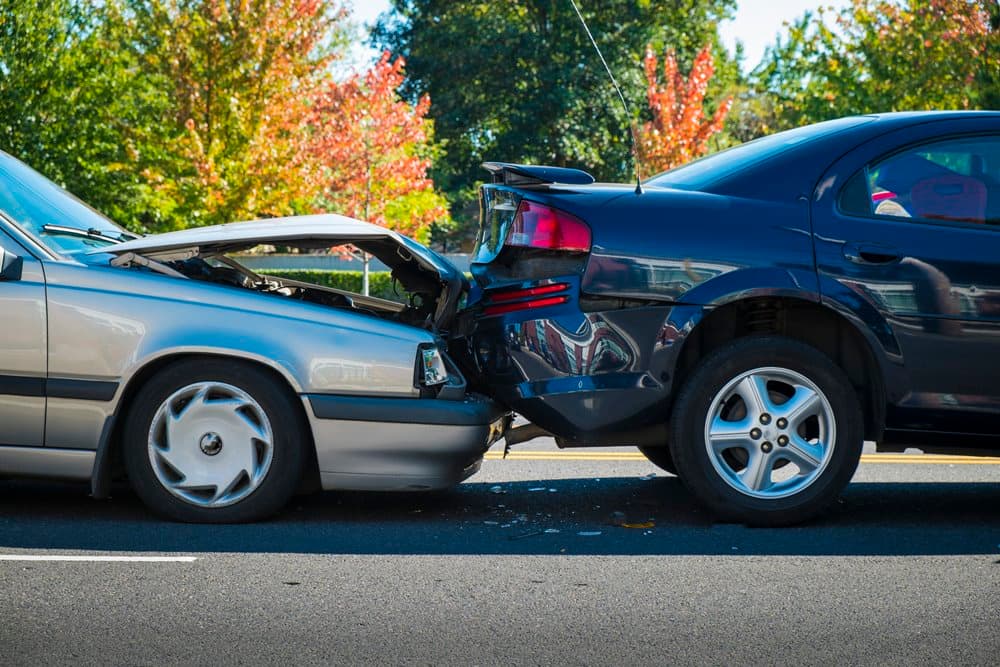
Essential Steps After a Car Accident in Arizona
Experiencing a car accident can be overwhelming, but knowing the right steps to take is crucial for protecting your rights and ensuring your safety. In Arizona, following specific procedures can make a significant difference in the outcome of your case. Lawyers for Less PLLC offers guidance on what you need to know.
- Safety first: Check for injuries and call 911 if needed.
- Move vehicles to a safe location to prevent further accidents.
- Document the accident scene thoroughly with photos and notes.
- Exchange contact and insurance information without admitting fault.
- Report the accident to law enforcement promptly.
- Consult with a lawyer to understand your legal rights.
How Do I Ensure Safety Immediately After an Accident?
Your immediate priority after a car accident is to ensure the safety of yourself and others involved. First, check for injuries, and if anyone is hurt, call 911 right away. Even seemingly minor injuries should be addressed by medical professionals, as symptoms might develop later.
Why Calling 911 is Critical
Calling 911 ensures that emergency services are dispatched to the scene. This not only provides medical assistance but also ensures that a police report is generated, which can be crucial for insurance and legal processes.
Moving to Safety
If possible, move your vehicle to the side of the road to prevent further accidents. In busy cities like Phoenix or Tucson, traffic can be heavy, making this step vital. Turn on hazard lights to alert other drivers.
What Documentation is Necessary After a Car Accident in Arizona?
Proper documentation is essential for supporting your insurance claims and any potential legal actions. Take detailed notes and photographs of the accident scene, vehicle damage, and any road conditions that may have contributed to the accident.
Photos to Capture
Photograph all vehicles involved, focusing on damage areas, license plates, and any skid marks or debris on the road. These images provide visual evidence of the incident.
Using Witness Statements
If there are witnesses, collect their contact information and statements about what they saw. Independent eyewitnesses can be invaluable in corroborating your account of the accident.
What Information Should I Exchange with the Other Driver?
After ensuring safety and documenting the scene, exchange essential information with the other driver(s) involved. This includes names, addresses, phone numbers, driver's license numbers, and insurance details. Avoid discussing fault at this stage.
Importance of Accurate Information
Providing and receiving accurate information prevents complications when filing insurance claims. Double-check the details to ensure they are correct.
When and How Should I Report a Car Accident in Arizona?
Arizona law requires reporting any car accident resulting in injury, death, or significant property damage. You can file a report with local law enforcement or the Arizona Department of Transportation.
The Role of Police Reports
A police report serves as an official record of the accident, providing a neutral account of the incident. It can be a critical piece of evidence in insurance and legal proceedings.
Filing the Report
To file a report, contact the local police department or visit the Arizona Department of Transportation website for guidance. Prompt reporting is crucial, particularly if there are injuries or significant damages.
How Does Arizona's Comparative Negligence Law Affect My Claim?
Arizona follows a comparative negligence rule, meaning that you can still recover damages even if you were partially at fault for the accident. However, your compensation will be reduced by your percentage of fault.
Understanding Comparative Negligence
Under A.R.S. § 12-2505, comparative negligence allows injured parties to seek compensation proportionate to their degree of fault. This means if you're found to be 20% at fault, you can still recover 80% of the damages.
Example Scenario
Imagine you're in an accident where the other driver ran a red light, but you were speeding. If you're deemed 10% responsible, and your damages total $10,000, you would receive $9,000.
How to File an Insurance Claim After a Car Accident in Arizona
Notify your insurance company as soon as possible after the accident. Provide them with the necessary details and cooperate fully with their investigation to facilitate a smooth claim process.
Steps to Filing a Claim
- Contact your insurance company immediately after the accident.
- Provide accurate accident details and documentation.
- Respond promptly to any requests for additional information.
- Keep records of all communications with your insurer.
- Consider seeking legal advice to ensure fair treatment.
When Should I Seek Legal Advice After a Car Accident?
If you're uncertain about your next steps or if the accident involves injuries, complex circumstances, or insurance disputes, consider consulting a legal professional. Lawyers For Less PLLC offers affordable consultations to help you understand your rights and options.
Benefits of Legal Representation
An attorney can help navigate the complexities of personal injury claims, negotiate with insurance companies, and represent your best interests in court if necessary.
Choosing the Right Lawyer
Look for a lawyer with experience in Arizona personal injury law and a track record of successful case outcomes. Consultation with Lawyers for Less PLLC can be a good starting point.
What Are the Key Differences Between Contested and Uncontested Claims?
Understanding the difference between contested and uncontested claims can help you manage your expectations and strategy after an accident.
| Aspect | Contested Claim | Uncontested Claim |
|---|---|---|
| Resolution Time | Longer, requires negotiation or court intervention | Shorter, often resolved quickly with mutual agreement |
| Complexity | More complex due to disagreements | Simpler, with fewer disputes |
| Legal Fees | Higher, due to prolonged legal processes | Lower, as it usually avoids lengthy litigation |
| Outcome | Uncertain, depends on negotiations or court decisions | Predictable, based on agreed terms |
What Documents Are Required for Legal Consultations?
When preparing for a legal consultation, having the right documents can streamline the process and provide your attorney with the necessary information to advise you effectively.
- Accident report from law enforcement
- Medical records detailing injuries
- Photos of the accident scene and damages
- Insurance policy details
- Correspondence with insurance companies
- Any witness statements or contact information
- Receipts for accident-related expenses
Key Takeaways on Handling Car Accidents in Arizona
Being prepared and informed can significantly impact the aftermath of a car accident. By following these steps and understanding Arizona's laws, you can protect your legal rights and ensure your safety.
Remember, consulting a legal professional can provide peace of mind and ensure you receive fair compensation. For further assistance, contact Lawyers for Less PLLC today at (602) 800-5762.
Understanding Arizona's At-Fault Insurance System
What is the At-Fault System?
Arizona operates under an at-fault insurance system, meaning the person responsible for causing the accident is liable for any damages. This system differs from a no-fault state where each party's insurance covers their own losses regardless of who caused the accident. In Arizona, determining fault is crucial for compensation, as the at-fault driver’s insurance is typically required to pay for repairs, medical expenses, and other losses incurred by the other parties involved in the accident.
Determining Fault
Fault is determined based on evidence collected from the accident scene, witness statements, and police reports. The insurance companies involved will investigate the accident to ascertain who was at fault. In some cases, more than one driver may share the blame, which can affect the compensation each party receives. Under A.R.S. § 28-667, the police report will document the officer's assessment, but this does not definitively assign legal liability.
Arizona-Specific Scenarios
Consider a scenario where two drivers in Scottsdale are involved in a collision at an intersection. Driver A claims they had the green light, while Driver B insists they stopped at a red light before turning right. The responding police officer notes in the report that the traffic signal was functioning properly. Both drivers' insurance companies will review the evidence, including any traffic camera footage or witness testimonies, to determine fault based on Arizona's at-fault laws.
The Role of Uninsured Motorist Coverage
Protecting Against Uninsured Drivers
In Arizona, it's not uncommon to encounter drivers who are either uninsured or underinsured. To protect yourself, it's advisable to add uninsured motorist (UM) coverage to your policy. This coverage helps pay for your expenses if you're hit by an uninsured driver, ensuring you aren't left with unexpected bills. Under A.R.S. § 20-259.01, insurers in Arizona must offer UM coverage, though it is not mandatory for drivers to purchase it.
Benefits of Underinsured Motorist Coverage
Underinsured motorist (UIM) coverage comes into play when the at-fault driver's insurance is insufficient to cover your losses. For instance, if your medical bills and property damage total $50,000, but the at-fault driver only has $25,000 in liability coverage, your UIM coverage can bridge the gap. This ensures comprehensive protection even when the responsible party lacks adequate insurance.
Example Scenario
Imagine driving through Tucson, where an uninsured driver rear-ends your car. Despite having clear evidence of the other driver's fault, without UM coverage, you might have to pay out-of-pocket for repairs and medical expenses. However, with UM coverage, you can file a claim with your own insurer to cover these costs, safeguarding your financial well-being.
Legal Obligations and Penalties for Fleeing the Scene
Hit-and-Run Laws in Arizona
Arizona law mandates that all drivers involved in a car accident must stop at or near the scene and exchange information with other involved parties. Fleeing the scene of an accident, commonly known as a hit-and-run, can lead to severe penalties. According to A.R.S. § 28-661, leaving the scene of an accident resulting in injury or death is classified as a felony, carrying potential imprisonment and hefty fines.
Consequences of Leaving the Scene
If a driver flees after causing an accident, they face both criminal charges and civil liabilities. The victim can pursue compensation through civil court, and the fleeing driver's insurance company may also deny coverage due to the illegal act. This can leave the at-fault driver personally responsible for all damages incurred.
Arizona-Specific Example
Consider a scenario in Mesa where a driver hits a pedestrian and drives away. Witnesses provide the vehicle's license plate number to the police, leading to the driver's arrest. This individual faces felony charges under Arizona's strict hit-and-run laws, highlighting the severe legal consequences of such actions in the state.
Navigating Medical Treatment and Expenses Post-Accident
Seeking Immediate Medical Attention
After a car accident, it's vital to seek medical attention even if you feel fine. Some injuries, like whiplash or internal bleeding, may not manifest immediately. Documenting your injuries promptly is crucial for both health and legal reasons. Arizona law A.R.S. § 12-542 stipulates a two-year statute of limitations for personal injury claims, making timely medical records essential for future legal proceedings.
Handling Medical Bills
Medical expenses can quickly accumulate after an accident. If another party is at fault, their insurance should cover your medical bills. However, this process can be slow. Health insurance might initially cover some costs, but reimbursement will be necessary once liability is established. In Arizona, medical payment coverage (MedPay) can help cover immediate medical expenses, offering some financial relief while waiting for insurance settlements.
Example of Medical Expense Management
A Phoenix resident involved in a rear-end collision experiences neck pain days after the incident. They seek treatment at a local clinic, incurring several thousand dollars in medical bills. Their attorney advises using MedPay to handle these initial costs while pursuing a claim against the at-fault driver’s insurance for full reimbursement.
Creating an Accident Response Plan
Essential Steps to Include
- Ensure Safety: Move to a safe location and check for injuries.
- Contact Emergency Services: Dial 911 for police and medical assistance.
- Document the Scene: Take photos and gather witness information.
- Exchange Information: Swap details with other involved drivers without discussing fault.
- Notify Your Insurer: Report the accident to initiate the claims process.
- Seek Legal Advice: Consult with an attorney to explore your rights and options.
Importance of Preparedness
Having a response plan helps mitigate stress and confusion during the chaotic moments following an accident. By knowing what steps to take, you can protect your rights, ensure safety, and streamline the legal and insurance processes. A.R.S. § 28-663 emphasizes the importance of exchanging information and rendering aid, reinforcing the necessity of a well-thought-out plan.
Scenario: Implementing a Response Plan
Imagine you're involved in a minor fender bender in Flagstaff. Due to prior preparation, you have a printed checklist in your glove compartment detailing each step to take post-accident. This foresight allows you to remain calm, gather necessary information, and proceed confidently with the claims process.
| Response Step | Action | Arizona Statute |
|---|---|---|
| Ensure Safety | Move vehicles off the road | A.R.S. § 28-674 |
| Contact Authorities | Call 911 for emergencies | A.R.S. § 28-663 |
| Document Scene | Photograph damage and gather witness info | A.R.S. § 28-667 |
| Exchange Information | Share contact and insurance details | A.R.S. § 28-663 |
| Report to Insurer | Notify your insurance company | A.R.S. § 20-259 |
Understanding Medical Treatment and Its Impact on Your Case
Why Immediate Medical Attention Matters
After a car accident, seeking immediate medical attention is not only crucial for your health but also for any legal claims you might pursue. Even if you feel fine, some injuries like whiplash or internal trauma may not present symptoms immediately. Visiting a healthcare professional ensures that any injuries are documented, which can be vital evidence if you file a personal injury claim later. According to A.R.S. § 28-667, medical records can serve as substantial documentation in court proceedings, supporting your claim of injury resulting from the accident.
Consider a scenario where you're involved in a minor fender bender on a busy road in Scottsdale. Initially, you feel no pain and decide to skip a medical check-up. Days later, you experience severe neck pain and headaches. Without immediate documentation of your condition post-accident, linking these symptoms to the accident may become challenging, potentially affecting your compensation.
Documenting Medical Expenses
Keeping meticulous records of all medical visits, treatments, and expenses is essential. These documents will help establish the financial impact of the accident on your life. Ensure you save receipts for medications, therapy sessions, and any assistive devices needed due to the accident. This information supports your insurance claim and any potential lawsuit, providing a clear picture of your financial losses.
For instance, if you require ongoing physical therapy after an accident on the I-10 near Tempe, every session's cost should be recorded. This comprehensive documentation can substantiate claims for compensation covering medical expenses, particularly in cases where the insurance company disputes the necessity or cost of treatment.
The Role of Medical Experts in Legal Proceedings
In some cases, a medical expert may be called upon to testify about the extent and cause of your injuries. Their testimony can provide clarity and support your claims in court, especially when liability is contested. Under Arizona law, expert testimony can be pivotal in establishing causation and the necessity of medical treatment, as outlined in A.R.S. § 12-2602.
Imagine being in an accident in downtown Phoenix where liability is disputed. A medical expert's testimony could help demonstrate how your injuries directly relate to the accident, reinforcing your position and aiding in achieving a favorable outcome.
Navigating Insurance Challenges Post-Accident
Understanding Arizona's Insurance Requirements
Arizona law mandates that drivers carry minimum liability insurance coverage to operate a vehicle legally. As per A.R.S. § 28-4009, the minimum required liability coverage is $25,000 for bodily injury per person, $50,000 for bodily injury per accident, and $15,000 for property damage. Knowing these requirements can help you understand what coverage you have and what you may need to claim from the other party's insurer.
Consider an accident in Flagstaff where the at-fault driver only has the minimum coverage. If your medical expenses exceed their policy limits, understanding your own underinsured motorist coverage can be critical in ensuring full compensation for your losses.
Dealing with Insurance Adjusters
After an accident, insurance adjusters will investigate and evaluate claims. It's crucial to approach these interactions with caution, as their primary goal is often to minimize the payout. Providing accurate and concise information is important, but avoid making statements that could be construed as admitting fault or downplaying your injuries.
Suppose you're contacted by an adjuster after a collision on the Loop 101 in Mesa. They may ask for a recorded statement or offer a quick settlement. Before agreeing to anything, consider consulting with an attorney to ensure your rights are protected and you receive fair compensation.
Comparing Settlement Options
| Option | Pros | Cons |
|---|---|---|
| Accept Initial Settlement | Quick resolution, immediate funds | Potentially lower than deserved compensation |
| Negotiate for Higher Settlement | Possibility of receiving fair compensation | Time-consuming, requires negotiation skills |
| Take Legal Action | Chance for full compensation, legal expertise | Prolonged process, possible legal fees |
Strategic Steps to Protect Your Rights After an Accident
Preserving Evidence Effectively
To build a strong case, preserving evidence from the accident scene is crucial. This includes taking photographs, securing witness contact information, and obtaining a copy of the police report. According to A.R.S. § 28-667, police reports can be critical in establishing the facts of the case, while photographic evidence provides visual support.
A practical example involves an accident on a rural road outside Tucson. You notice skid marks and debris that might indicate the other driver's fault. Photographing these details can be instrumental when negotiating with insurance companies or presenting your case in court.
Understanding the Statute of Limitations
In Arizona, the statute of limitations for filing a personal injury lawsuit after a car accident is generally two years from the date of the accident, as stated in A.R.S. § 12-542. However, there are exceptions, such as claims against government entities, which have shorter deadlines. Failing to file within this period typically results in losing your right to sue.
Imagine you’re involved in an accident with a city bus in Chandler. You must file a notice of claim with the city within 180 days and follow through with a lawsuit within one year. Understanding these time constraints is vital to preserving your legal options.
Step-by-Step Guide to Filing a Lawsuit
- Consult with a qualified personal injury attorney to evaluate your case.
- Gather all necessary documentation, including medical records and accident reports.
- File a complaint with the appropriate Arizona court, detailing your allegations and the relief sought.
- Serve the defendant with the complaint and await their response.
- Engage in the discovery process, exchanging evidence and information with the defendant.
- Participate in settlement negotiations or mediation if applicable.
- If no settlement is reached, prepare for trial, where a judge or jury will decide the outcome.
By understanding and following these steps, you can navigate the complexities of pursuing legal action in Arizona effectively, ensuring your rights and interests are fully protected.
FAQs About Car Accidents in Arizona
What should I do if the other driver leaves the scene?
If the other driver leaves the scene, try to note their vehicle's make, model, and license plate number. Report the incident to law enforcement immediately.
How long do I have to report a car accident in Arizona?
In Arizona, it's best to report the accident to law enforcement as soon as possible, especially if there are injuries or substantial damage. The Arizona Department of Transportation recommends immediate reporting.
Can I file a claim if I was partially at fault?
Yes, Arizona follows a comparative negligence rule under A.R.S. § 12-2505, meaning you can still file a claim even if you were partially at fault, but your compensation may be reduced.
Do I need a lawyer for a minor car accident?
While not always necessary, consulting a lawyer can help you understand your rights and ensure you receive fair compensation, especially if there are disputes or injuries involved.
What if I don't feel injured at the scene?
Injuries from car accidents can manifest later. It's crucial to seek medical evaluation even if you feel fine immediately after the accident.
How does Arizona handle uninsured motorists?
Arizona requires drivers to carry minimum liability insurance, but if involved with an uninsured motorist, your own insurance policy's uninsured motorist coverage can help cover damages.
What is the statute of limitations for car accident claims in Arizona?
According to A.R.S. § 12-542, the statute of limitations for personal injury claims in Arizona is generally two years from the date of the accident.
How can I obtain a copy of the police report?
You can request a copy of the police report from the law enforcement agency that responded to your accident, often available online through the agency's website.
How are damages calculated in Arizona car accident claims?
Damages in Arizona are typically calculated based on medical expenses, lost wages, property damage, and pain and suffering. A lawyer can help assess the value of your claim.
Can I handle an insurance claim myself?
While you can handle an insurance claim yourself, having legal representation can ensure you receive a fair settlement and navigate complex situations more effectively.
What happens if I miss the filing deadline for a claim?
If you miss the statute of limitations for filing a claim, you may lose your right to seek compensation. It's crucial to act promptly and consult with a legal professional.
Are there different rules for accidents involving commercial vehicles?
Accidents involving commercial vehicles may involve additional regulations and complexities. Consulting a lawyer familiar with these cases is advisable.
What should I do if I disagree with the insurance company's assessment?
If you disagree with an insurance assessment, you can dispute the claim, providing additional evidence or seeking legal advice to challenge the decision.
Can I claim damages for emotional distress?
Yes, you can claim damages for emotional distress in Arizona, but these claims often require substantial evidence. Legal guidance can help substantiate your case.
What steps should I take if I suspect the other driver was intoxicated?
If you suspect intoxication, inform the responding officer and request that they conduct a sobriety test. This information can be crucial for both criminal and civil proceedings.
Ready to take action? Contact Lawyers for Less PLLC for a consultation and let us help you navigate your car accident case. Call (602) 800-5762 or visit our contact page to schedule an appointment.
Quick Inquiry
Get a free consultation today
Quick Inquiry
Get a free consultation today
Need help with personal injury?
Learn About Our Personal Injury Services →