
The Dos and Don’ts After a Car Accident in Arizona

I'm Gil Hacohen, a Phoenix attorney and founder of Lawyers For Less. When someone is injured or facing a legal problem they did not choose, they may find themselves dealing with serious consequences, mounting expenses, lost income, and an insurance company or opposing party determined to minimize its responsibility. I believe people deserve an attorney who will take the time to understand their situation, investigate what actually happened, and challenge the other side's version of events when the evidence tells a different story. My job is to protect my clients' interests, hold responsible parties accountable, and pursue the outcome they deserve.
What to Do After a Car Accident in Arizona: Essential Guide
After a car accident in Arizona, it's crucial to follow certain steps to protect your rights and secure fair compensation. Knowing these steps ensures you handle the situation effectively. Lawyers for Less offers professional guidance in Arizona to navigate these challenges.
- Key Takeaways:
- Always stop and remain at the scene as per A.R.S. § 28-661.
- Report the accident if it involves injury or significant property damage.
- Document everything thoroughly and seek medical attention immediately.
- Avoid admitting fault or making statements without legal advice.
- Understand Arizona's pure comparative negligence rule.
Why Is It Important to Stay at the Accident Scene?
Staying at the scene of an accident is mandatory under Arizona law. Leaving can lead to severe legal consequences.
The Legal Requirement
According to A.R.S. § 28-661, if you leave the scene of an accident involving injury or death, you commit a felony. Always pull over safely to comply with this statute.
Legal Consequences of Leaving
Leaving the scene can result in criminal charges and negatively impact your insurance claims. It can also make it difficult to prove your side of the story.
Practical Tips
Ensure your vehicle is off the road if possible, and activate hazard lights to alert other drivers. This keeps the scene safe and helps prevent additional accidents.
How to Properly Report a Car Accident in Arizona
Reporting the accident is crucial, especially if there are injuries or significant property damage.
When to Call the Police
If injuries, fatalities, or property damage over $1,000 occur, you're required by law to notify law enforcement. A police report is a critical piece of evidence in your claim.
What Information to Provide
When reporting, provide accurate details about the incident without admitting fault. The information you share will form the basis of the police report.
Obtaining the Police Report
Request a copy of the police report for your records. This document is vital for insurance claims and any potential legal proceedings.
What Evidence Should You Collect at the Scene?
Gathering evidence at the scene strengthens your claim and provides necessary documentation for the insurance process.
Photographic Evidence
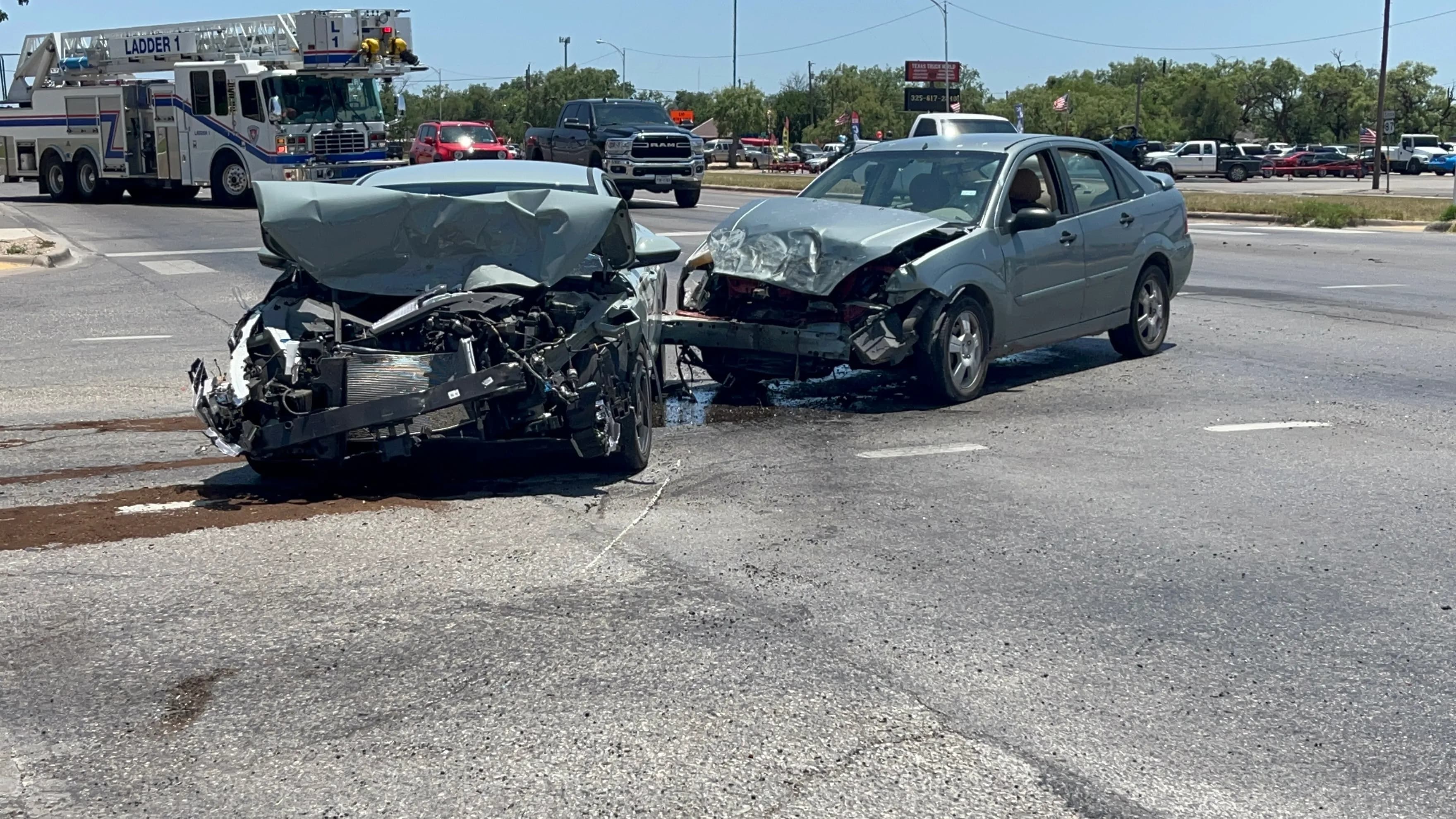
Take photos of vehicle damage, license plates, street signs, and road conditions. These images provide visual context to support your claim.
Witness Statements
Collect contact information from witnesses. Their accounts can corroborate your version of events, which is valuable in disputes.
Documenting Injuries
Photograph any visible injuries immediately. This documentation can help attribute injuries directly to the accident.
Why Immediate Medical Attention Matters
Seeking medical care promptly is crucial, even if you feel fine immediately after the accident.
Hidden Injuries
Some injuries, like whiplash or concussions, may not show symptoms immediately. A medical professional can diagnose these issues early.
Medical Documentation
Medical records provide a direct link between the accident and your injuries, which is essential for insurance claims and legal proceedings.
Protecting Your Health
Your health should be a top priority. Seeking medical attention ensures that any injury is treated promptly, preventing further complications.
Understanding Arizona's Fault and Negligence Laws
Arizona follows an "At-Fault" system with pure comparative negligence rules, affecting how damages are calculated.
At-Fault System Explained
In an at-fault system, the party responsible for the accident is liable for damages. This is determined through evidence and reports.
Pure Comparative Negligence
Under A.R.S. § 12-2505, you can recover damages even if you're partially at fault. However, your compensation is reduced by your percentage of fault.
Example Scenario
If you're found 20% at fault, and the damages are $10,000, you'd receive $8,000. This highlights the importance of accurately determining fault.
How to Handle Insurance Claims After an Accident
Handling insurance claims correctly ensures you receive the compensation you deserve.
Notify Your Insurer Promptly
Contact your insurance company as soon as possible to report the accident. Provide them with all necessary details and documentation.
Dealing with Adjusters
Be cautious when speaking to insurance adjusters. They may try to minimize your claim. It's advisable to have legal representation during these interactions.
Settlement Offers
Initial settlement offers are often low. Consider consulting with a lawyer before accepting any offer to ensure it's fair.
What to Avoid After a Car Accident in Arizona
Certain actions can jeopardize your claim. Avoid these common pitfalls.
Admitting Fault
Never admit fault at the scene or to insurance companies. Even apologizing can be construed as admitting liability.
Delaying Medical Treatment
Postponing medical care can weaken your claim, as insurers may argue that your injuries aren't related to the accident.
Accepting Quick Settlements
Quick settlements might seem appealing but often don't cover long-term costs. Evaluate all options before agreeing to a payout.
Understanding Legal Deadlines for Car Accidents in Arizona
There are strict deadlines for legal actions following a car accident.
Statute of Limitations
According to A.R.S. § 12-542, you generally have two years to file a personal injury lawsuit in Arizona. Missing this deadline can forfeit your right to compensation.
Government Entity Involvement
If a government vehicle or entity is involved, a Notice of Claim must be filed within 180 days as per A.R.S. § 12-821.01.
Importance of Timely Action
Acting within these timeframes is crucial to preserving your legal rights. Consult with a lawyer to ensure all deadlines are met.
Do You Need a Lawyer After an Arizona Car Accident?
While not mandatory, hiring a lawyer can significantly affect the outcome of your claim.
Benefits of Legal Representation
A lawyer can negotiate with insurance companies, handle paperwork, and represent your interests, potentially increasing your compensation.
Choosing the Right Attorney
Select a lawyer with experience in Arizona personal injury law. Lawyers for Less offers affordable, expert legal services statewide.
Cost of Legal Services
Many personal injury lawyers work on a contingency fee basis, meaning they only get paid if you win your case.
Common Mistakes to Avoid After a Car Accident
Avoid these errors to protect your rights and maximize your compensation.
Overlooking Evidence
Failing to collect evidence at the scene can weaken your case. Always document everything thoroughly.
Ignoring Legal Advice
Legal advice is crucial for navigating the aftermath of an accident. Ignoring it can lead to costly mistakes.
Underestimating Injuries
Underestimating injuries can affect your claim's value. Always seek medical evaluation and follow treatment plans.
| Action | Recommended | Not Recommended |
|---|---|---|
| Staying at the Scene | Yes - Required by law | No - Legal consequences |
| Reporting to Police | Yes - For evidence | No - Missed documentation |
| Seeking Medical Attention | Yes - For health and records | No - Risk to health and claim |
| Accepting Quick Settlements | No - Often insufficient | Yes - May undervalue claim |
-
Steps to Take After a Car Accident in Arizona:
- Stop and ensure safety at the scene.
- Call the police and report the accident if necessary.
- Collect evidence such as photos and witness contacts.
- Seek immediate medical attention.
- Notify your insurance company promptly.
- Consult with a lawyer before accepting settlements.
- File necessary claims within legal timeframes.
-
Documents to Gather After an Accident:
- Driver's license and registration
- Insurance information
- Police report
- Medical records
- Photos of the accident scene
- Witness contact information
- Repair estimates
- Correspondence with insurance companies
Dealing with Uninsured or Underinsured Drivers
Understanding Arizona’s Insurance Requirements
Arizona law requires all drivers to carry a minimum amount of auto insurance. According to A.R.S. § 28-4009, drivers must have at least $25,000 bodily injury liability for one person, $50,000 bodily injury liability for two or more persons, and $15,000 property damage liability. Despite these requirements, some drivers either lack insurance or have inadequate coverage, which complicates matters when they are at fault in an accident.
Steps to Take if Hit by an Uninsured Driver
If you are involved in an accident with an uninsured driver, it is crucial to gather as much information as possible at the scene. Document the incident with photographs, witness statements, and police reports. Notify your insurance company immediately. Arizona insurers offer uninsured motorist (UM) coverage, which can be a lifeline in these situations. UM coverage compensates for injuries when the at-fault driver lacks sufficient insurance.
Filing a Claim with Your Insurer
When dealing with an underinsured driver, you may need to file a claim under your own underinsured motorist (UIM) coverage. Ensure you have a clear understanding of your policy limits and how they apply to your specific case. Consult with an attorney to explore other legal avenues for compensation if necessary. An example scenario includes a driver with minimal state-required insurance involved in a severe accident, where medical and repair costs exceed the at-fault driver’s coverage. In such cases, UIM coverage becomes essential.
Navigating Property Damage Claims
Documenting Vehicle Damage
After ensuring everyone’s safety at the accident scene, focus on documenting vehicle damage. Take clear photographs from multiple angles and note any pre-existing damages. This evidence is crucial when filing a property damage claim with the insurance company. Under A.R.S. § 28-667, drivers must report accidents that result in significant property damage.
Understanding the Repair Process
Once your claim is approved, you’ll likely receive an estimate for repairs. Choose a reputable repair shop—some insurers have preferred providers, but you are not obligated to use them. Obtain multiple estimates to ensure fair pricing. Remember, in Arizona, you have the right to select your repair shop.
Dealing with Total Loss Situations
If your vehicle is declared a total loss, the insurer will pay the actual cash value (ACV) of your car, minus any deductible. The ACV is determined based on factors like the car's age, condition, and market value. For example, if your car is valued at $10,000 and your deductible is $500, you would receive $9,500. Understanding these processes helps ensure you receive fair compensation for your vehicle loss.
Handling Emotional and Psychological Aftermath
Recognizing Post-Accident Trauma
Car accidents can cause significant emotional and psychological distress. Symptoms of post-traumatic stress disorder (PTSD) include anxiety, depression, and flashbacks. It’s important to acknowledge these feelings and seek professional help if necessary. Studies show that addressing mental health is as crucial as treating physical injuries after an accident.
Seeking Professional Help
Consult a mental health professional who can provide therapy or counseling. Many insurance policies cover psychological treatment related to accident trauma. It is advisable to check with your insurer about the benefits available under your policy. Such support can be vital for recovery and adjusting to life post-accident.
Support Networks and Resources
Join support groups or online forums where you can share experiences and coping strategies with others who have been through similar situations. Community resources and non-profits in Arizona may offer additional support services. Engaging with these networks can provide emotional relief and practical advice.
The Role of Traffic Citations in Accident Claims
Understanding Traffic Citations
Receiving a traffic citation after an accident can impact your claim. Citations serve as an official record of traffic violations and can influence fault determinations. Under A.R.S. § 28-1595, drivers must respond to citations promptly, either by paying the fine or contesting the ticket in court.
Impact on Insurance Claims
A traffic citation can be used as evidence in an insurance claim, potentially affecting the outcome. For instance, if you are cited for speeding, it may be argued that your actions contributed to the accident, impacting your ability to recover full compensation. Always discuss the implications of any citations with your attorney.
Disputing a Traffic Citation
If you believe a citation was issued in error, consider contesting it. Gather evidence, such as dashcam footage or witness testimonies, and present your case in court. Successfully disputing a citation can strengthen your position in an insurance claim. Arizona courts provide guidelines on how to proceed with traffic citation disputes, ensuring you have a fair chance to defend yourself.
Exploring Alternative Dispute Resolution Methods
Mediation as a Resolution Tool
Mediation offers a platform for parties to negotiate settlements with the help of a neutral third party. It is often less adversarial and more cost-effective than going to court. In Arizona, mediation is increasingly used to resolve car accident claims, allowing both parties to reach a mutually agreeable solution.
Arbitration as an Option
Arbitration involves a binding decision made by an arbitrator, akin to a judge. This method is faster than traditional court proceedings and provides a definitive resolution. Under Arizona law, both parties must agree to arbitration, as it waives the right to a court trial. Arbitration can be particularly useful in cases where the facts are straightforward but disputed.
Choosing the Right Method for Your Case
Deciding between mediation and arbitration depends on the complexity of the case and the willingness of parties to negotiate. Consult with your attorney to determine the most suitable approach for your situation. An example scenario might involve a minor accident where both parties prefer a quick and amicable settlement, making mediation an ideal choice.
| Resolution Method | Pros | Cons |
|---|---|---|
| Mediation | Flexible, cost-effective, preserves relationships | Non-binding, may not result in settlement |
| Arbitration | Binding decision, quicker than court | Less formal appeal process, potential higher costs |
Steps to Take Immediately After a Car Accident in Arizona
Secure the Scene for Safety
Immediately following a car accident, your safety and that of others is paramount. Ensure that your vehicle, if operable, is moved to the side of the road or to a safe area to prevent further collisions. Turn on your hazard lights to alert other drivers. This not only helps prevent additional accidents but also complies with safety measures promoted by Arizona's Department of Transportation. In cases where severe injury or damage prevents moving the vehicles, ensure all parties remain a safe distance from traffic until help arrives.
Notify Emergency Services
Contacting emergency services is crucial, especially in accidents involving injuries. According to A.R.S. § 28-667, law enforcement must be notified in incidents involving injury, death, or significant property damage. When calling 911, provide clear and concise information about the location and extent of injuries or damage. This ensures that the right emergency services are dispatched promptly. For example, if an accident occurs on the congested I-10 freeway, quick reporting can mitigate traffic buildup and potential secondary accidents.
Exchange Information with Other Parties Involved
It is important to exchange information with all parties involved in the accident. Gather names, addresses, phone numbers, driver’s license numbers, license plate numbers, and insurance details. According to A.R.S. § 28-663, drivers must exchange this information and present a driver’s license upon request. This information is vital for processing insurance claims and any subsequent legal actions. An example scenario involves a multi-car pileup on a rainy day in Phoenix, where thorough information exchange can facilitate smoother insurance negotiations.
Understanding Medical and Insurance Procedures Post-Accident
Seeking Medical Evaluation and Documentation
Obtaining a medical evaluation after an accident is critical, even if you feel uninjured. Many injuries, such as concussions or internal injuries, may not present symptoms immediately. Under A.R.S. § 20-259.01, insurance policies in Arizona may cover initial medical evaluations, making it financially feasible to seek immediate care. For instance, after a minor fender-bender in Tucson, a timely medical check can uncover latent injuries, supporting future insurance claims.
Filing an Insurance Claim
Filing an insurance claim promptly is essential. Contact your insurance provider to report the incident and initiate the claims process. Provide them with all necessary documentation, including the police report, photographs, and medical records. As per Arizona's fault-based system, the at-fault party's insurance should cover damages, but your policy may also offer initial coverage. An example involves a hit-and-run accident in Mesa, where uninsured motorist coverage can be pivotal in addressing immediate expenses.
Understanding Insurance Adjuster Negotiations
Insurance adjusters play a significant role in determining the settlement amount. They evaluate the damage and injuries to propose a compensation figure. It's crucial to approach these discussions carefully, as adjusters aim to minimize payouts. Arizona's pure comparative negligence rule (A.R.S. § 12-2505) means settlements can be adjusted based on your percentage of fault, so clearly presenting your case is vital. In a situation where both parties are partially at fault in a Scottsdale accident, effective negotiation can significantly impact the compensation received.
Legal Considerations and Steps Following an Arizona Car Accident
Consulting with a Legal Expert
While not obligatory, consulting with an attorney can be advantageous, particularly in complex cases. Legal counsel can provide guidance on navigating claims, understanding liability, and negotiating settlements. They ensure compliance with Arizona-specific laws, such as the statute of limitations for filing lawsuits (A.R.S. § 12-542). In a case involving a collision with a commercial truck on the highways of Flagstaff, a lawyer can help address the intricate liability issues and maximize potential compensation.
Deciding on Legal Action
Deciding whether to pursue legal action depends on factors like the severity of injuries, clarity of fault, and settlement offers. If negotiations with insurance do not yield satisfactory results, litigation might be necessary. Understanding the legal process and timelines is crucial, especially when dealing with government entities. For instance, if a city vehicle causes an accident in Tempe, specific notice of claim requirements under A.R.S. § 12-821.01 must be met within 180 days.
Navigating the Court Process
If your case proceeds to court, understanding the process can alleviate stress. The journey from filing a complaint to trial includes several stages: discovery, motions, and potentially mediation. Each step requires careful preparation and adherence to procedural rules. A detailed understanding of these processes, facilitated by legal representation, ensures that your rights are protected and your case is effectively presented in Arizona courts.
| Action | Pros | Cons |
|---|---|---|
| Accept Settlement | Quick resolution, certainty | Potentially lower compensation |
| File Lawsuit | Possibility of higher compensation | Longer process, legal costs |
- Secure the Scene: Move vehicles if possible, turn on hazard lights.
- Contact Authorities: Call 911 for injuries or significant damage.
- Exchange Information: Share contact and insurance details with other parties.
- Seek Medical Attention: Get evaluated for injuries, even without symptoms.
- Notify Your Insurer: Report the accident and provide all documentation.
- Consult a Lawyer: Seek legal advice for complex cases or unclear fault.
FAQ Section
What should I do immediately after a car accident in Arizona? First, ensure everyone's safety and call 911 if there are injuries. Move vehicles out of traffic if possible and report the accident to the police if there are injuries or significant property damage. How is fault determined in an Arizona car accident? Fault is determined based on evidence such as police reports, witness statements, and physical evidence from the scene. Arizona's pure comparative negligence law affects compensation based on fault percentage. What is the statute of limitations for car accident claims in Arizona? Generally, you have two years from the date of the accident to file a personal injury lawsuit, according to A.R.S. § 12-542. For claims against government entities, the notice period is 180 days. Should I see a doctor even if I feel fine after the accident? Yes, see a doctor promptly. Some injuries may not be immediately apparent, and medical records are important for linking your injuries to the accident. Can I handle my car accident claim without a lawyer? While possible, having a lawyer can help navigate complex insurance claims and legal processes, potentially increasing your compensation. What documents do I need for my insurance claim? Collect your driver's license, registration, insurance information, police report, medical records, photos of the accident, and witness contacts. How does pure comparative negligence affect my compensation? If you're partly at fault, your compensation is reduced by your fault percentage. For example, being 30% at fault reduces your compensation by 30%. What happens if I miss the filing deadline for a claim? Missing the statute of limitations means you may lose the right to file a lawsuit. It's crucial to act within the required timeframes. Do I need to report a minor accident to the police in Arizona? If there are no injuries and property damage is minimal, you may not need to report it. However, it's often beneficial to have a police report for insurance purposes. How do I obtain a copy of the police report? You can request a copy from the local police department or through their online systems if available. This report is crucial for insurance and legal claims. Are there any specific Arizona laws about car accidents I should know? Yes, besides A.R.S. § 28-661, understand the pure comparative negligence rule (A.R.S. § 12-2505) and the reporting requirements for accidents with significant damage or injury. What's the best way to document a car accident? Use your smartphone to take photos of the accident scene, vehicle damage, and injuries. Collect contact details from witnesses and note down your recollection of events. Can I still file a claim if I was partly at fault? Yes, under Arizona's pure comparative negligence law, you can still recover damages, but your compensation will be reduced by your fault percentage. What is a Notice of Claim for government-related accidents? If a government entity is involved in the accident, you must file a Notice of Claim within 180 days, as per A.R.S. § 12-821.01, to pursue a lawsuit. How do settlement negotiations typically work? Settlement negotiations involve discussions between your lawyer and the insurance company to reach a fair compensation amount. Lawyers can help ensure your rights are protected. For personalized assistance with your car accident case, schedule a consultation with Lawyers for Less. Call (602) 800-5762 or visit our contact page.
Gil Hacohen, Esq.
Founder and Principal Attorney, Lawyers For Less, PLLC
State Bar of Arizona No. 031934
Licensed in Arizona since 2015
About Our Phoenix Attorney, Gil Hacohen
Gil Hacohen is the founder and principal attorney of Lawyers For Less, PLLC, a Phoenix-based law firm representing individuals and families throughout Arizona. Licensed to practice law in Arizona since 2015, Gil handles personal injury claims involving commercial trucks, delivery vehicles, and other motor vehicle collisions, including cases involving disputed liability, significant injuries, and complex insurance claims, as well as criminal defense, family law, estate planning and business formation matters. He combines hands-on legal representation with a commitment to making quality legal services accessible to everyday people.
Why I do this work
I founded Lawyers For Less in 2015 because I believed that access to quality legal representation should not depend on someone's financial resources. I wanted to build a practice where clients could receive experienced, personalized representation without feeling lost in the legal system.
That philosophy is especially important when the other side has more resources. When someone is seriously injured, charged with a crime, or going through a divorce, they may suddenly find themselves facing an insurance carrier, a prosecutor, or a legal process they don't understand. I believe my clients deserve an attorney who listens to their concerns, carefully examines the evidence, and isn't afraid to challenge the other side's conclusions.
Quick Inquiry
Get a free consultation today
Quick Inquiry
Get a free consultation today
Related Articles
How to File a Fire Damage Injury Claim in Arizona
October 24, 2026
Understanding the Arizona Personal Injury Mediation Process
October 23, 2026
Why Hire an Accident Reconstruction Expert in Arizona?
October 22, 2026
How to Appeal a Personal Injury Claim Denial in Arizona
October 21, 2026
Understanding Arizona Comparative Fault in Bicycle Accidents
October 20, 2026
Understanding Airbnb Injury Claims in Arizona
October 19, 2026
Need help with personal injury?
Learn About Our Personal Injury Services →