
Pedestrian vs Cyclist Accident in Arizona: What You Need to Know
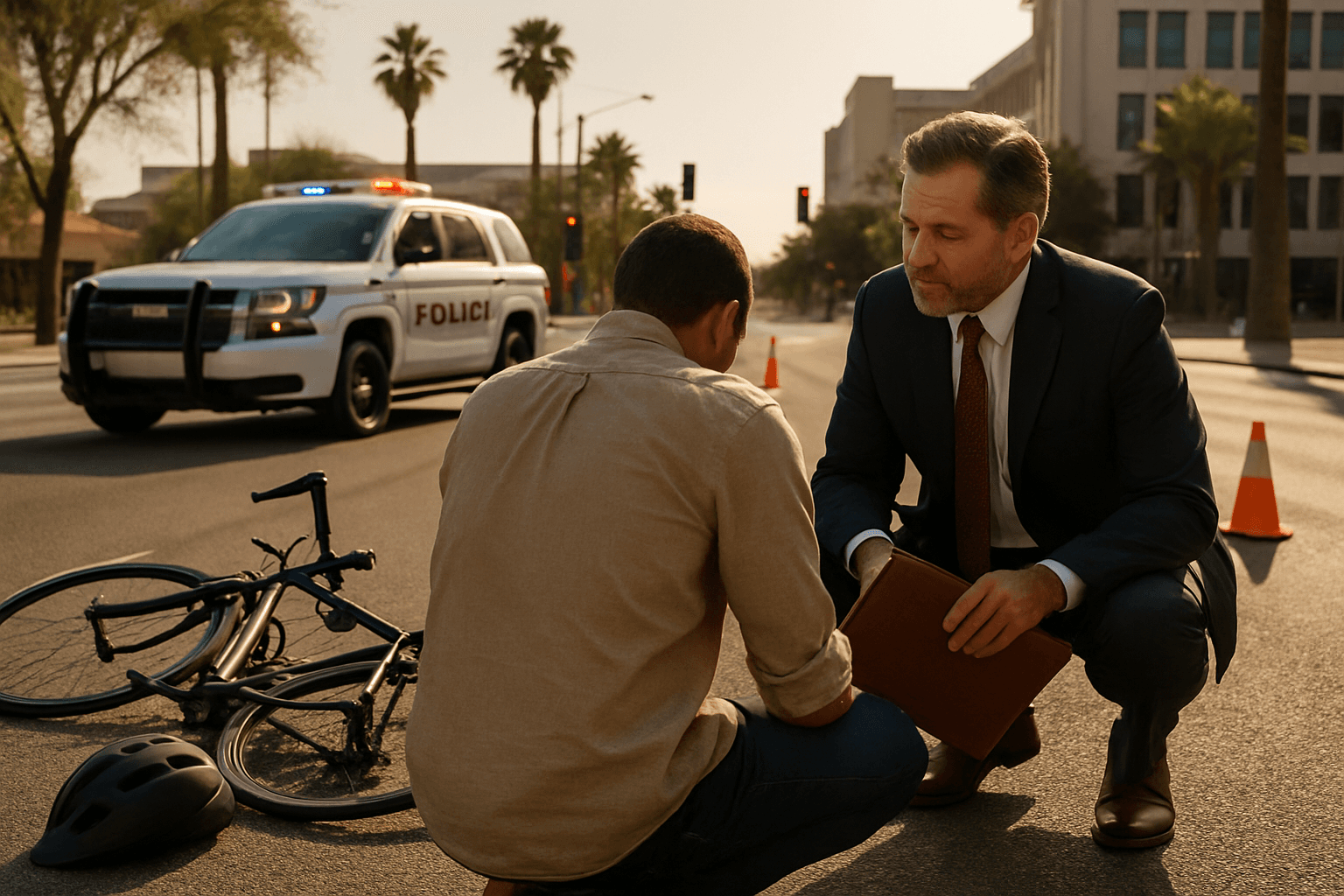
In Arizona, when a cyclist hits a pedestrian, both parties may face legal consequences depending on the accident's circumstances. Cyclists must follow the same road rules as drivers, and pedestrians have specific rights, especially in crosswalks. Determining fault often involves examining these rules alongside the facts of the incident. Understanding the nuances of these interactions is essential for both cyclists and pedestrians to handle the aftermath of an accident effectively.
Key Takeaways
- Cyclists must obey traffic laws, similar to motor vehicle drivers, under A.R.S. § 28-644.
- Pedestrians have the right of way in marked crosswalks according to A.R.S. § 28-792.
- Arizona uses a comparative negligence system, meaning fault can be shared between parties involved.
- Cyclists may be sued for damages, but proving negligence is essential for a successful claim.
- Immediate reporting and evidence collection can strengthen legal claims and help in potential lawsuits.
Understanding these key points can help individuals involved in such accidents know their rights and responsibilities and take appropriate action to seek justice or defend against claims.
What Happens If a Cyclist Hits a Pedestrian in Arizona?
In Arizona, if a cyclist hits a pedestrian, the police may be called to the scene to document the incident. This documentation is essential for any potential legal proceedings. The police report serves as a primary piece of evidence reflecting the circumstances of the accident, statements from both parties, and any witnesses present at the scene.
Legal Responsibilities of Cyclists and Pedestrians
Cyclists are required to follow traffic laws similar to those for motor vehicles, such as stopping at red lights and yielding to pedestrians in crosswalks. Pedestrians have the right of way in marked crosswalks under A.R.S. § 28-792, which means cyclists must stop to allow them to pass. Cyclists should also equip their bikes with proper lighting if riding at night to make sure visibility and adhere to all local cycling ordinances.
Pedestrians are expected to remain vigilant, avoid distracted walking, and cross streets at designated crosswalks when possible. But, in the absence of a crosswalk, pedestrians must yield to vehicles and cyclists. Understanding these responsibilities is key to both parties avoiding accidents and ensuring safer shared space usage.
Common Causes of Accidents
Accidents between cyclists and pedestrians often occur because of factors like distracted riding or walking, failure to yield, and poor visibility. Many accidents happen at crosswalks or when cyclists ride on sidewalks where pedestrian traffic is high. Additional causes include:
- Inattentive Behavior: Both cyclists and pedestrians may be distracted by mobile devices, leading to reduced awareness of their surroundings.
- Environmental Factors: Poor lighting, adverse weather, or obstructed views can lead to misjudgments in timing and distance.
- High-Speed Riding: Cyclists traveling at high speeds in pedestrian-heavy areas increase the risk of collisions.
Understanding these causes can help both cyclists and pedestrians take preventative measures to avoid accidents.
Who Is at Fault When a Cyclist Hits a Pedestrian?
Determining fault in these accidents involves understanding Arizona's negligence laws. Both parties' actions at the time of the accident are scrutinized. It is important to gather as much information as possible to clarify the circumstances leading to the accident.
Understanding Comparative Negligence in Arizona
Arizona operates under a comparative negligence system, meaning both the cyclist and pedestrian can share fault. This affects the compensation one might receive. For instance, if a pedestrian is found to be 20% at fault, their compensation could be reduced by that percentage. This system requires a detailed analysis of each party's actions to determine their degree of fault.
In scenarios where both parties are equally at fault, compensation may be split equally, or each party may bear their own costs. Comparative negligence can be complicated, often necessitating legal intervention to assess fault accurately.
Factors Influencing Fault Determination
Factors such as adherence to traffic laws, speed, and the use of safety signals are considered. Witness statements and video footage, if available, can significantly influence the outcome. Additional factors include:
- Location of the Accident: Whether the accident occurred in a marked crosswalk, on a sidewalk, or in an undesignated area.
- Conduct of Parties: Was the cyclist riding recklessly or the pedestrian jaywalking?
- Condition of Equipment: Was the bicycle properly maintained and equipped with necessary safety gear?
By examining these factors, authorities can better determine responsibility and the appropriate legal recourse.
Can You Sue a Cyclist in Arizona?
In Arizona, you can sue a cyclist if you are injured because of their negligence. Successfully doing so requires demonstrating that the cyclist breached their duty of care and caused the injury. Legal action can involve filing a personal injury lawsuit, which may result in compensation for damages incurred.
Legal Grounds for a Lawsuit
Legal grounds for suing a cyclist include failure to obey traffic signals, reckless riding, or riding under the influence. Evidence such as police reports and eyewitness testimony is essential. Other grounds may involve:
- Negligence Per Se: If a cyclist violates a statute intended to protect the safety of others, such as running a red light.
- Reckless Endangerment: Demonstrating that the cyclist's actions were grossly negligent or showed a willful disregard for safety.
These legal grounds necessitate strong evidence to support claims and increase the likelihood of a favorable outcome.
Challenges in Suing Cyclists
Cyclists may lack the insurance coverage typical of vehicle drivers, making it harder to collect damages. Also, proving negligence can be complex and requires substantial evidence. Challenges include:
- Limited Financial Resources: Cyclists often do not carry insurance, potentially limiting their ability to pay for damages.
- Identifying the Responsible Party: In hit-and-run scenarios, identifying and locating the cyclist can be difficult.
- Burden of Proof: The plaintiff carries the burden of proving negligence, which can be challenging without sufficient evidence.
Even with these challenges, legal counsel can help handle the process and explore alternative compensation avenues.
What to Do After a Cyclist Hits You?
After an accident, taking specific steps can protect your rights and health. Prompt action can also aid in building a strong case for any legal action you wish to pursue.
Immediate Steps to Take
- Call emergency services if needed to address immediate medical concerns and make sure police documentation.
- Exchange contact information with the cyclist, including names, phone numbers, and addresses.
- Seek medical attention even for minor injuries, as some symptoms may appear later. Make sure thorough documentation of all medical evaluations and treatments.
By following these steps, you make sure a complete record of the event, which is key for any future legal proceedings.
Gathering Evidence and Reporting
Document the scene with photos, gather witness contacts, and file a police report. This evidence is essential for any insurance claims or legal actions. Additional steps include:
- Recording Details: Write down your recollection of the incident while details are fresh, including time, location, and sequence of events.
- Preserving Physical Evidence: Keep any damaged personal property or clothing as evidence.
- Consulting Legal Experts: Seek legal advice to understand your rights and the potential for compensation.
The more evidence you collect, the stronger your case will be in pursuing legal recourse or negotiating settlements.
Insurance Coverage in Pedestrian-Cyclist Accidents
Insurance coverage in these accidents can be tricky because cyclists often lack specific insurance policies. Understanding your insurance options can help determine potential avenues for compensation.
Types of Coverage Available
Homeowners or renters insurance may cover some bicycle accidents, and health insurance can cover medical expenses. But, these are not guaranteed. Possible coverage options include:
- Personal Liability Coverage: Part of homeowners or renters insurance that may cover injuries caused by the policyholder.
- Medical Payments Coverage: May cover medical expenses regardless of fault.
- Uninsured Motorist Coverage: While primarily for vehicle accidents, check if your policy extends to bicycle incidents.
Reviewing your insurance policies thoroughly is essential to identify potential coverage.
Challenges in Claiming Insurance
Without dedicated bicycle insurance, collecting compensation can be challenging. It's essential to review all possible insurance options and consult with legal professionals to explore coverage. Additional challenges include:
- Policy Limitations: Insurance policies may have exclusions or limits specific to bicycle-related incidents.
- Claim Denials: Insurers may initially deny claims, requiring appeals or further negotiation.
- Complexity in Coordination: Coordinating benefits from multiple insurers can be complex and time-consuming.
Legal assistance can be invaluable in navigating these challenges and ensuring you receive the compensation you're entitled to.
Injuries in Pedestrian vs. Cyclist Crashes
Injuries from these accidents vary widely but can have long-term effects. Understanding the potential severity of injuries can guide medical treatment and legal strategies.
Common Injuries Sustained
Common injuries include fractures, head injuries, and soft tissue damage. Severity can depend on the speed and impact of the collision. Other possible injuries are:
- Lacerations and Abrasions: Often occur from contact with the pavement or bicycle.
- Spinal Injuries: Can result from falls or direct impact.
- Psychological Trauma: Anxiety or PTSD may develop following the accident.
Each of these injuries requires careful medical assessment to determine the appropriate treatment and potential long-term effects.
Long-term Implications
Long-term effects can include chronic pain and mobility issues. Victims may require ongoing medical treatment, impacting their quality of life and financial stability. Considerations include:
- Rehabilitation Needs: Physical therapy may be necessary to regain full function.
- Financial Impact: Lost wages and medical expenses can strain finances, necessitating compensation claims.
- Lifestyle Adjustments: Chronic pain or disability may require changes in daily activities or employment.
Understanding these implications helps in assessing damages and pursuing appropriate compensation.
When to Hire a Lawyer for a Pedestrian-Cyclist Accident
Hiring a lawyer can be beneficial in navigating the complexities of these cases. Legal expertise ensures that your rights are protected throughout the process.
Benefits of Legal Representation
A lawyer can help gather evidence, negotiate with insurance companies, and represent you in court if necessary. They can also clarify your rights under Arizona law. Additional benefits include:
- Strategic Planning: Lawyers can develop a strategy designed for to your specific circumstances.
- Expert Negotiation: Legal representatives can effectively negotiate settlements or court disputes.
- Complete Case Management: Handling paperwork, deadlines, and communications related to the case.
Having legal representation can make a significant difference in the outcome of your case.
Choosing the Right Attorney
Select an attorney with experience in personal injury and specific knowledge of Arizona traffic laws. Look for firms like Lawyers For Less that offer free consultations and clear pricing. Considerations when choosing an attorney include:
- Track Record: Look for attorneys with a history of successful case outcomes.
- Client Reviews: Positive testimonials can indicate a lawyer’s competence and client satisfaction.
- Fee Structure: Understand the fee arrangement, whether contingency-based or hourly, to make sure affordability.
Choosing the right attorney ensures that you have the necessary support and resources to pursue your case effectively.
FAQs about Pedestrian vs. Cyclist Accidents in Arizona
What should I do if a cyclist hits me in Arizona?
Seek medical attention immediately, document the scene with photographs, and file a police report. Contact a personal injury attorney to understand your legal options and handle insurance claims.
Can I sue a cyclist for hitting me?
Yes, you can sue a cyclist if you can prove that they were negligent. Gathering evidence such as witness statements and any available video footage is essential to support your claim.
What are the common causes of pedestrian-cyclist accidents?
These accidents often occur because of failure to yield, distraction, and poor visibility in crosswalks and sidewalks. Environmental factors and high-speed riding also contribute significantly.
How is fault determined in a pedestrian-cyclist accident?
Fault is determined by examining each party's adherence to traffic laws and any negligence contributing to the accident. Comparative negligence principles may apply, affecting compensation.
What compensation can I claim if hit by a cyclist?
You may claim compensation for medical expenses, lost wages, and pain and suffering, depending on the accident's specifics. Legal guidance can help assess the full extent of recoverable damages.
Does insurance cover pedestrian-cyclist accidents?
Coverage may come from homeowners, renters, or health insurance, but dedicated bicycle insurance is less common. Review your policies and consult an attorney to explore all available options.
Conclusion and Call to Action
If you've been involved in a pedestrian-cyclist accident, consulting with a knowledgeable attorney can make a difference. Contact Lawyers For Less for a free consultation to discuss your case. Call us at (602) 800-5762 to take the first step toward protecting your rights.
Quick Inquiry
Get a free consultation today
Quick Inquiry
Get a free consultation today
Related Articles

PIP vs MedPay in Arizona: Understanding Your Auto Insurance Options
September 28, 2026

How to Prove Negligence in a Pedestrian Accident in Arizona
September 26, 2026
What Steps to Take After a Golf Cart Accident in Arizona
September 26, 2026

What Happens If You're Injured in a Retail Store Accident in Arizona?
September 25, 2026
Swimming Pool Accident in Arizona: Legal Insights and Immediate Actions
September 24, 2026
Personal Injury Lawyers in Mesa: Your Guide to Finding Legal Help
September 23, 2026
Need help with personal injury?
Learn About Our Personal Injury Services →