
What Happens If You're Injured in a Retail Store Accident in Arizona?
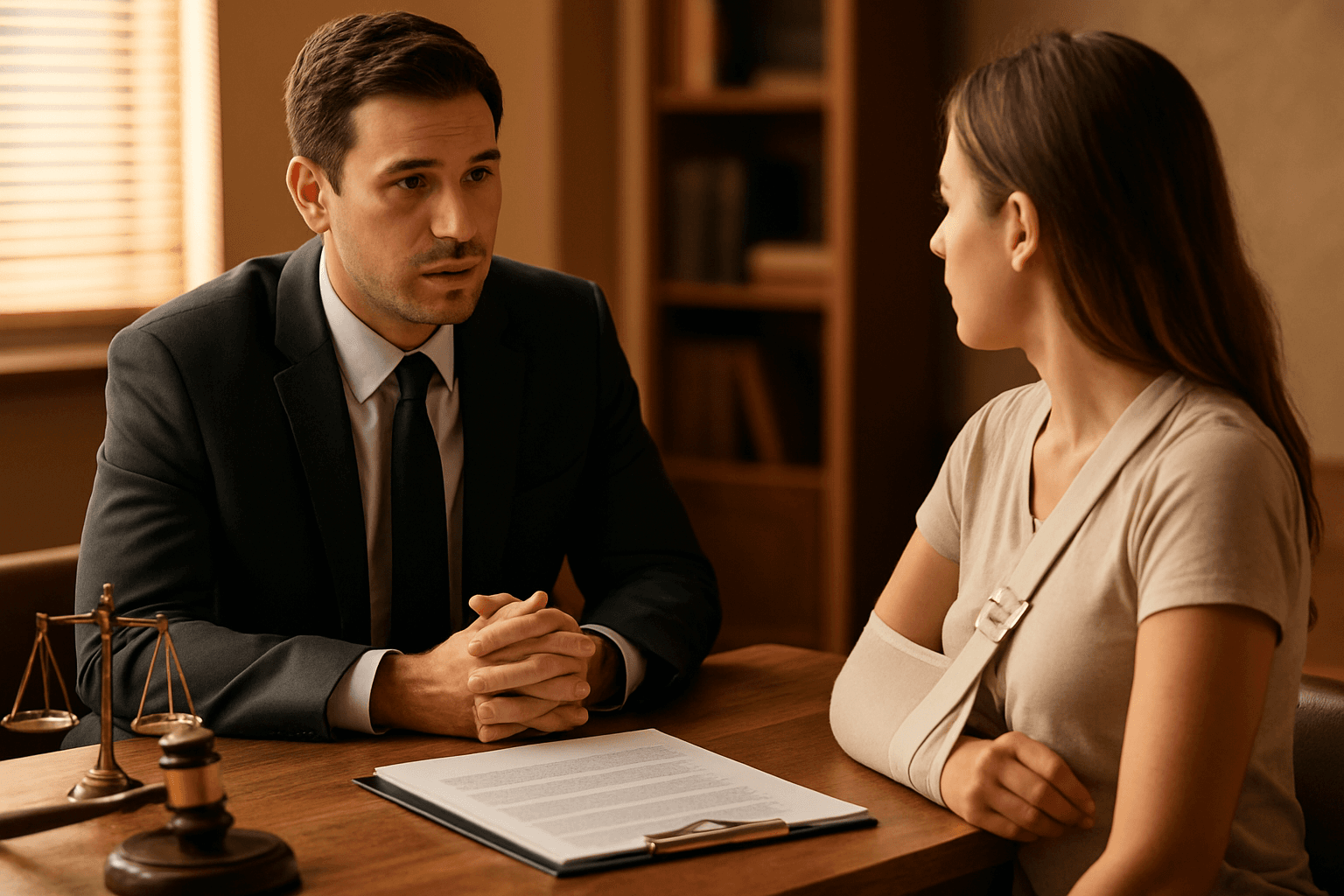
In Arizona, if you're injured in a retail store accident, you may have the right to file a premises liability claim. This claim can help recover damages for medical expenses and other losses. Understanding the specific steps to take and the legal framework involved is essential in ensuring that your rights are protected. Navigating this process requires an understanding of Arizona's premises liability laws and a strategic approach to gathering evidence and presenting your case.
Key Takeaways
- Retail store accidents often involve slippery floors, falling objects, and inadequate lighting.
- Immediate actions include seeking medical attention and reporting the incident to store management.
- Documenting the accident with photos and witness information strengthens your claim.
- Arizona's premises liability laws require store owners to maintain safe environments.
- Comparative negligence may reduce your compensation if you're partially at fault.
Each of these points plays a essential role in the outcome of a premises liability claim. Seeking medical attention ensures your health and provides necessary documentation for your injury, while reporting the incident to store management generates an official record that could be critical in legal proceedings. The requirement for store owners to keep environments safe is grounded in Arizona's legal standards, and understanding these can be beneficial when assessing whether a store has breached its duty of care.
What Are Common Retail Store Hazards?
Retail store accidents are often caused by common hazards that can lead to serious injuries. Understanding these hazards can help you handle the aftermath of an accident more effectively.
Slippery Floors and Wet Surfaces
Slippery floors, often because of spills or cleaning, pose a significant risk. Stores must display warning signs to alert customers. Under Arizona Revised Statutes (A.R.S. § 12-2505), a store may be held liable if they fail to address these hazards promptly. The expectation is that store employees conduct regular checks to identify and rectify such issues quickly. In Arizona, if a store fails to place a visible "wet floor" sign after mopping, and a customer falls and gets injured, the store could be held liable for those injuries.
Falling Objects and Poorly Shelved Items
Improperly shelved items can fall and cause injury. Retailers must make sure that shelves are stable and items are secure. Our attorneys have seen cases where poorly maintained displays led to significant injuries and claims. For instance, if a store leaves heavy boxes improperly stacked on high shelves, and these boxes fall on a customer, the store might be liable for any resulting injuries. Regular inspections and proper employee training are important in mitigating these risks.
Inadequate Lighting and Visibility
Poor lighting can cause trips and falls. Stores are required to maintain adequate lighting to make sure customer safety. This includes both interior and exterior areas, such as parking lots and walkways. Inadequate lighting can obscure hazards, making it difficult for customers to spot potential dangers like uneven flooring or obstructions. A store with poorly lit parking areas could be held accountable if a customer trips over an unseen obstacle and sustains injuries.
What to Do Immediately After an Accident
Taking the right steps immediately following a retail store accident is essential for your health and potential legal claim. These steps can significantly influence the outcome of your case and the compensation you may receive.
Seek Medical Attention
Your health is the priority. Seek medical help even if injuries seem minor. Prompt medical documentation can be important evidence in your claim. Delays in seeking medical attention can be used against you by opposing parties, who might argue that your injuries were not serious or were unrelated to the accident.
Report the Incident to Store Management
Notify store management and request that they document the incident. This creates an official record, which is essential for a premises liability claim. It is also advisable to obtain the names of any employees you speak to and request a copy of the incident report for your records. If management seems reluctant to document the incident, discreetly note this and gather as much evidence as possible independently.
How to Document Your Accident
Proper documentation strengthens your case and can be critical in establishing store negligence. Thorough documentation provides a clear narrative of the accident, making it harder for the defense to refute your claims.
Taking Photographs and Videos
Record the accident scene, hazards, and any visible injuries. This visual evidence can significantly support your claim. Photographs should include various angles of the accident site, any warning signs, and the condition of floors or shelving that contributed to the accident. Videos can record the area in greater detail and may include any environmental factors, such as lighting and crowding, that played a role.
Collecting Witness Information
Gather contact information from witnesses. Their accounts can corroborate your story and add credibility to your claim. Witnesses can provide testimony on how the accident occurred and whether the store acted promptly and appropriately. Collecting this information immediately is essential, as memories can fade and witnesses can become difficult to locate over time.
Filling Out a Store Incident Report
Request and complete a store incident report. Make sure you receive a copy for your records. This report is a important piece of evidence. Be accurate and detailed when describing the accident, while avoiding admitting any fault or downplaying your injuries. An incident report helps confirm that the accident was officially acknowledged by the store.
Understanding Arizona's Premises Liability Laws
Arizona's premises liability laws hold property owners accountable for maintaining safe environments. These laws are designed to make sure that businesses take adequate measures to protect their patrons.
Duty of Care to Customers
Store owners owe a duty of care to customers. They must regularly inspect and maintain premises to prevent hazards. Failure in this duty can lead to liability under A.R.S. § 12-2505. This includes conducting routine inspections and promptly addressing any issues such as wet floors, unstable displays, or inadequate lighting. If a store owner neglects these responsibilities, they may be found negligent.
Comparative Fault in Arizona
Arizona follows a comparative negligence rule. If you're partly at fault, your compensation may be reduced proportionally. For example, if you're found 20% at fault, your recovery amount decreases by that percentage. This approach allows plaintiffs to recover damages even when they share some responsibility for the accident, encouraging a fair distribution of liability. For instance, if you were looking at your phone when you slipped on a wet floor, you might bear partial responsibility for not paying attention to your surroundings.
Filing an Arizona Store Injury Claim
To file a claim, you must gather evidence and understand the legal process. Navigating the legal system can be complex, but being informed helps make sure that your claim is handled efficiently and effectively.
Gathering Necessary Evidence
Collect medical records, witness statements, and any other relevant documentation. Complete evidence supports your claim and can lead to a favorable outcome. Evidence should also include any correspondence with the store, such as emails or letters, and any surveillance footage if available. A well-constructed evidence file can make negotiations with insurance companies more straightforward.
Working with a Legal Professional
Retail store accident claims can be complex. Our attorneys regularly appear in Maricopa County Superior Court and can guide you through each step, maximizing your chances of success. A legal professional can help you handle the intricacies of the legal system, from filing paperwork to negotiating settlements and, if necessary, representing you in court. They can also provide valuable advice on the potential value of your claim based on similar cases.
When to Contact a Lawyer
Knowing when to seek legal assistance can impact your case's success. Early involvement of an attorney can help simplify the process and protect your interests from the start.
Evaluating the Severity of Your Injuries
Severe injuries, such as fractures or head trauma, require immediate legal consultation. Even minor injuries can justify legal action if they result in medical expenses or lost wages. Legal guidance can be particularly important in cases where the full extent of injuries is not immediately apparent, such as soft tissue injuries or psychological trauma, which may show over time.
Understanding Legal Complexities
Legal complexities, like determining fault and navigating insurance negotiations, often require professional assistance. Our personal injury attorneys are experienced in handling such cases. They can help make sure that your rights are protected and that you receive fair compensation for your injuries. Understanding the nuances of insurance policies and state laws can be daunting, but skilled legal representation can help level the playing field.
FAQs About Retail Store Accidents in Arizona
What should I do if I slip and fall in a store?
Seek medical attention and report the incident to store management. Document the scene with photos and collect witness information. It's also wise to avoid making any statements that could be construed as admitting fault.
How long do I have to file a claim after a store accident in Arizona?
Arizona's statute of limitations for personal injury claims is two years from the date of the accident. This means you need to initiate your claim within this timeframe to avoid losing your right to sue.
Can I sue if I was partially at fault for a store accident?
Yes, under Arizona's comparative fault rule, you can still file a claim, but your compensation may be reduced based on your level of fault. Consulting an attorney can help assess your case and determine how fault might impact your recovery.
What evidence is crucial for a store injury claim?
Important evidence includes medical records, photographs of the accident scene, witness statements, and the store incident report. Surveillance footage from the store may also be important, so consider requesting it promptly.
How does Arizona's comparative fault rule affect my claim?
Your compensation is reduced by your percentage of fault. For example, if you're 30% at fault, you receive 70% of the damages. This ensures that liability is fairly distributed among all parties involved.
Do I need a lawyer for a minor store accident?
While not always necessary, consulting a lawyer can help make sure you receive fair compensation, especially if injuries worsen over time. An attorney can also assist in dealing with insurance companies and help you understand your legal rights.
For tailored to you legal advice, consider contacting our experienced team at (602) 800-5762 for a free consultation. We offer affordable, clear pricing and direct access to attorneys.
Explore more about our premises liability services or visit our knowledge base for additional resources. If you're in the Phoenix area, see our Phoenix lawyers for local legal support.
This article provides general information, not legal advice. For specific guidance on your situation, contact our attorneys.
Quick Inquiry
Get a free consultation today
Quick Inquiry
Get a free consultation today
Related Articles
PIP vs MedPay in Arizona: Understanding Your Auto Insurance Options
September 28, 2026
Pedestrian vs Cyclist Accident in Arizona: What You Need to Know
September 27, 2026
How to Prove Negligence in a Pedestrian Accident in Arizona
September 26, 2026
What Steps to Take After a Golf Cart Accident in Arizona
September 26, 2026
Swimming Pool Accident in Arizona: Legal Insights and Immediate Actions
September 24, 2026
Personal Injury Lawyers in Mesa: Your Guide to Finding Legal Help
September 23, 2026
Need help with personal injury?
Learn About Our Personal Injury Services →